Choosing windows for a renovation or new build involves more than finding something that looks good in a catalogue. Different window styles perform differently depending on the room, the orientation, and how you actually use the space. Getting the choice right means your home will be more comfortable, easier to live in, and will look better over the long term.
At Windows & More Australia, we supply and install a full range of aluminium window styles across the Central Coast and Newcastle. Here’s a practical rundown of the main options and what they’re each best suited to.
Sliding Windows
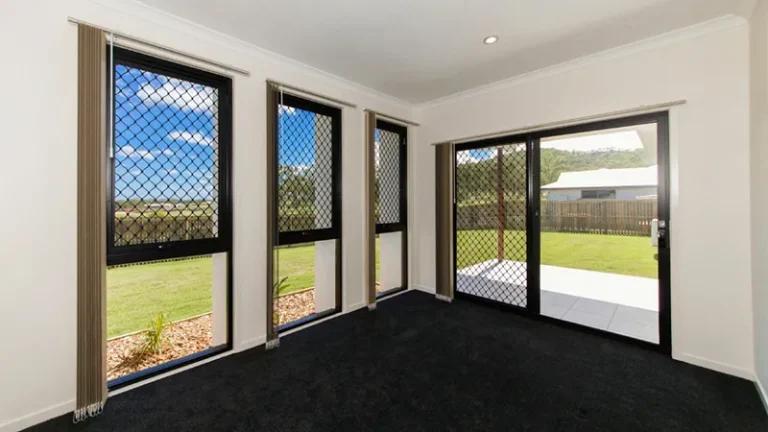
Sliding windows have two panels, with one or both able to move horizontally along a track. They’re one of the most common window styles in Australian homes, and there are good reasons for that. They suit living rooms and bedrooms where a moderate amount of ventilation and a clean, unfussy look are the goal. Because the panels don’t project outward when open, they’re also a practical choice wherever you need to keep a path or garden bed clear on the outside of the house.
One limitation is that a standard sliding window can only open to about half its width, since one panel always stays in the frame. For rooms where maximum airflow matters, other styles may serve you better.
Double Hung Windows
Double hung windows (also known as sash windows) have two panels that both slide vertically within the frame. You can open the top panel, the bottom panel, or both at once.
Opening both at the same time creates a useful ventilation effect: warmer air exits from the top while cooler air draws in from below. For bedrooms and living areas where temperature management over summer is important, that kind of control is worth having.
Double hung windows also suit character-style homes and older architecture, where a modern sliding or awning window would look out of place. If you’re renovating a period home on the Central Coast and want to preserve the feel of the original joinery, double hung windows are often the most considered choice.
Awning Windows
Awning windows are hinged at the top and open outward from the bottom. Their key advantage is ventilation in wet weather: the angled pane acts as a cover over the opening, so light rain passes over the top rather than coming straight in.
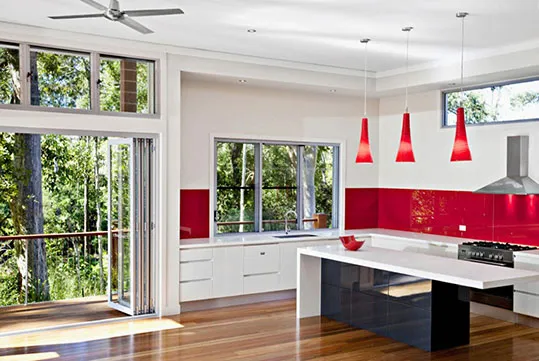
They’re a natural fit for bathrooms, laundries, and kitchens, and they work well paired with a larger fixed glass panel in any room where you want to preserve the view while still getting a breeze through. We’ve covered awning windows in more detail in a [dedicated post linked here], if you’d like to go deeper on that style.
Louvre Windows
Louvre windows are made up of a series of horizontal glass blades that tilt open to varying angles using a winding mechanism. They allow a high degree of control over airflow and are particularly good at directing breezes into a room.
On the Central Coast, where afternoon sea breezes are a regular feature through the warmer months, louvre windows are a genuine advantage in the right location. They’re popular in bedrooms, sunrooms, and alfresco areas where capturing airflow is the main objective. The one thing to keep in mind is that louvre windows aren’t as airtight as other styles when closed, due to the blade design. For rooms where keeping warmth in over winter is a priority, they may not be the best fit. On the Central Coast, that’s usually a minor consideration.
Bi-Fold Servery Windows
Bi-fold servery windows are designed for openings between an indoor space and an outdoor entertaining area, most commonly between a kitchen and a deck. The panels fold back to create a wide, open servery that makes it easy to pass food and drinks between the two spaces.
They add real practical value to an entertaining setup and work well in coastal homes where that indoor-outdoor connection gets used regularly rather than just on special occasions.
Fixed Panel Windows
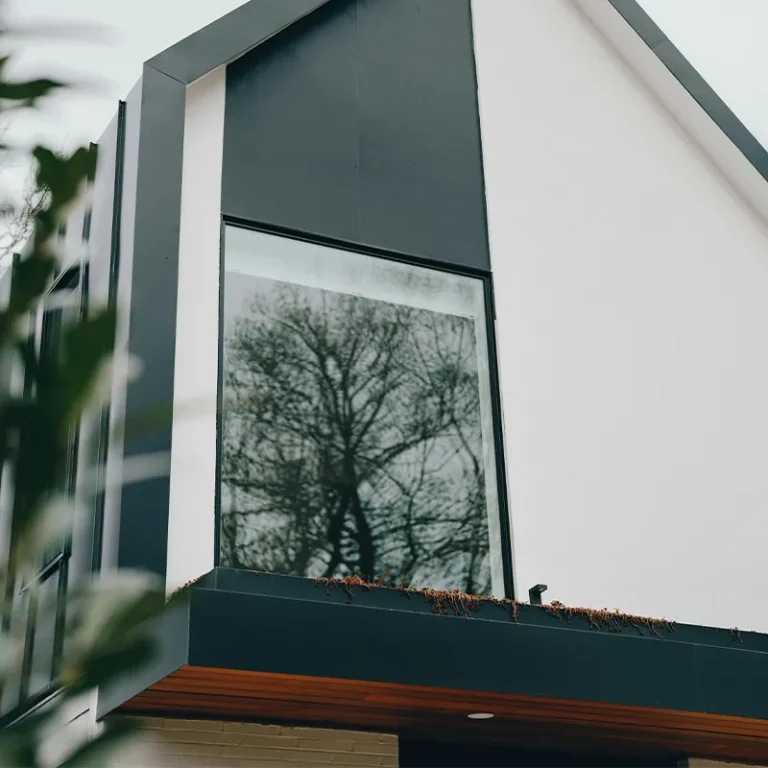
Fixed panel windows don’t open. They’re designed to bring in light, frame a view, or fill a large wall area where ventilation isn’t needed.
They’re most often used in combination with other styles: a large fixed panel in a living room paired with awning windows above or below, for example, or flanking a sliding door to extend the glazed area across a wall. Because there’s no mechanism and very few moving parts, they’re simple and low maintenance. They also allow for glass areas that would be impractical in an operable style.
Thinking About Your Home as a Whole
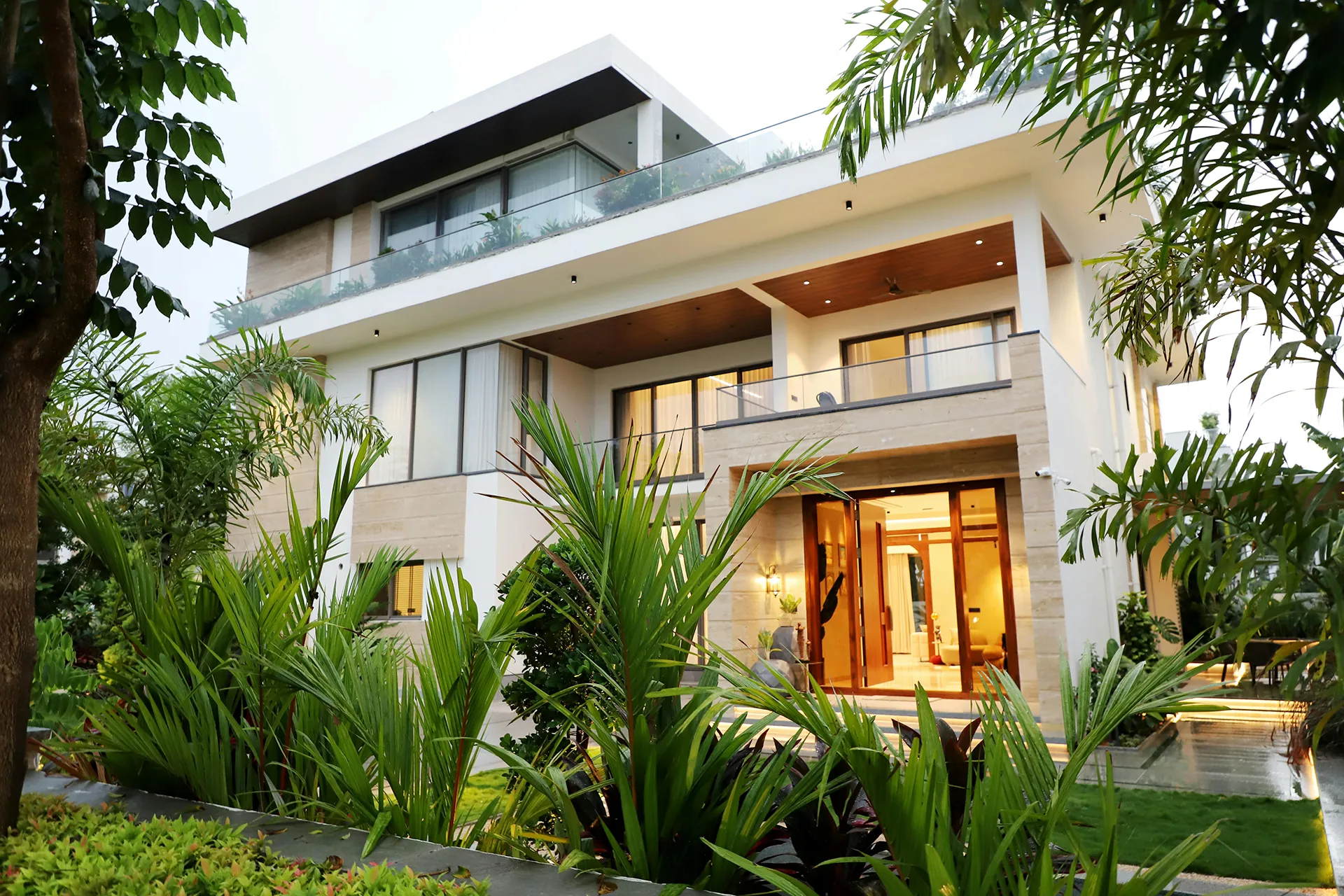
One of the most common mistakes when choosing windows is treating each room in isolation. How windows interact across the whole house affects both the street appeal and how comfortable the home is day to day. Consistent frame colours, complementary styles between rooms that share a wall, and thinking about cross-ventilation patterns are all worth factoring in.
When the team at Windows & More Australia comes out for a measure and quote, we look at the full picture rather than just the individual opening. If you’d like to talk through which styles will work together in your home, we’re happy to walk through the options.
Get in Touch
Ready to talk windows? Contact Windows & More Australia for a free measure and quote across the Central Coast and Newcastle. Call us on 0499 870 404 or head to our contact page to send a message.